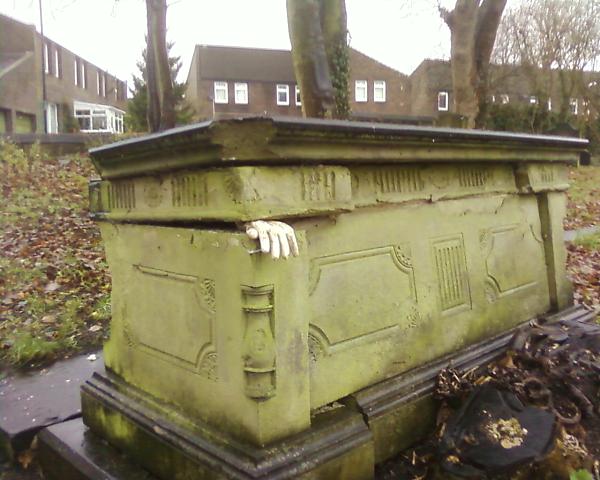
…in Chapel Allerton cemetery.
Admin1 is reading Dark Eden by Chris Beckett.
An occasional journal
…in Chapel Allerton cemetery.
Admin1 is reading Dark Eden by Chris Beckett.


A pair of red kites on a glorious sunny day.
As well as JJ Abrams and Doug Dorst’s S., Admin1 is reading The Violent Century by Lavie Tidhar and Admin2 is reading A Visit from the Goon Squad by Jennifer Egan.
First attempt at using the iOptron SkyTracker, a motorised mount. All pictures taken with a Canon 7D on a Manfrotto tripod. Aligning the SkyTracker with the Pole Star is easy and quick, and focussing is a doddle with the Android app DSLR Controller.
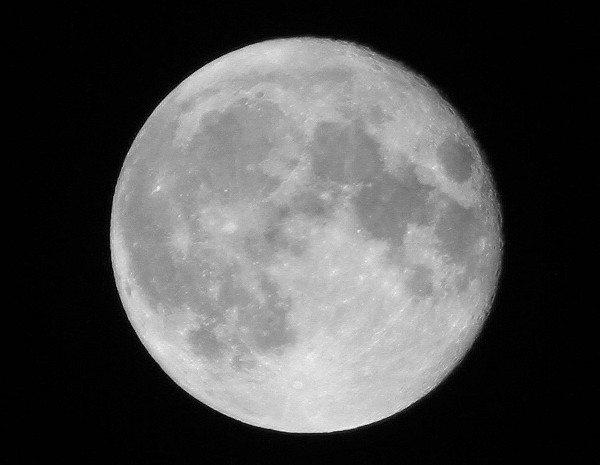
This is the moon through a 300mm lens.
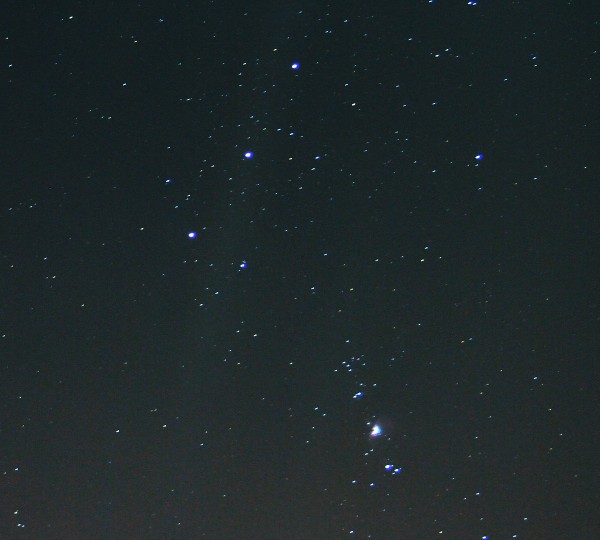
And this is Orion’s Belt (the three stars in a row) with the Orion Nebula below, a 2 minute exposure at ISO400 with a 55mm lens. Processed in Photodesk to reduce light pollution and moonlight (it was just past full) and to subtract a dark field to get rid of hot pixels. The tracking was excellent, but Phobos the cat bumped the tripod halfway through 🙂 The faintest stars here are magnitude 9.5.
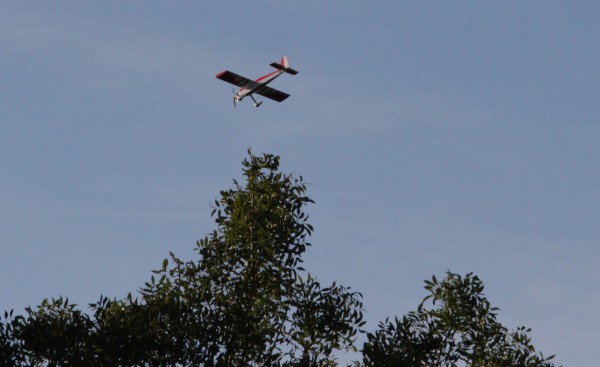
A model plane buzzing our street.
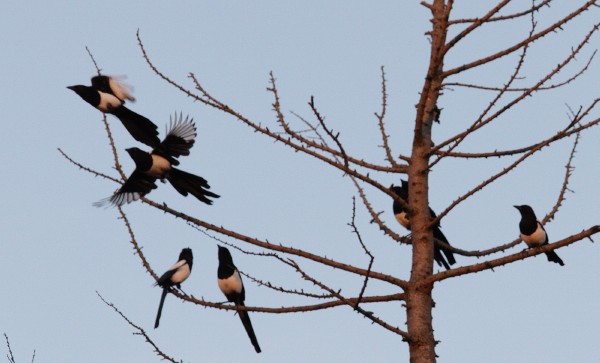
…and in the early evening, a number of very noisy magpies gathered on the dead tree in our back garden (soon to be felled, so it was their last chance).
We are watching Utopia, which is a bit of a lurch from the mostly understated The Returned.
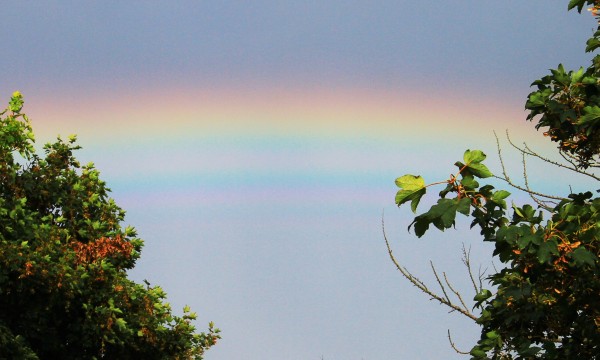
Sun, clouds, showers and a rainbow with prominent supernumeraries.

Vanessa atalanta, an addition to the fine selection of butterflies this year. Check out its striped antennae and cool robot legs.
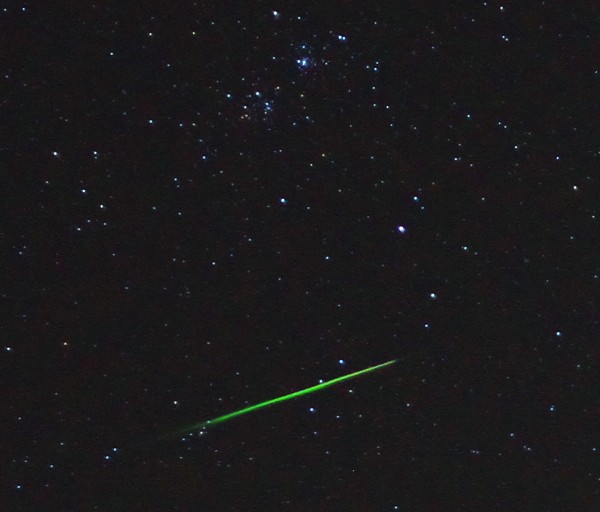
We were lucky last night to have clear skies around midnight, so we spent some time on the patio looking for Perseid meteors. We took over 500 photos, and fortunately — it’s very difficult to photograph meteors — managed to catch a couple, of which this is the best.
The picture has been lightly processed to darken the sky, but the vivid green colour is accurate. The group of stars at the top is the double cluster in Perseus.
We took the picture with a Canon 7D and a 50mm lens at F2.2. Exposure was 5 seconds at ISO1600.

Pierus brassicae, one of the many butterflies attracted by our buddleia this summer.
Admin1 is reading The Emperor of All Things by Paul Witcover. Admin2 is reading The Locked Room by Sjowall and Wahloo.

Inachis io enjoying our buddleia.
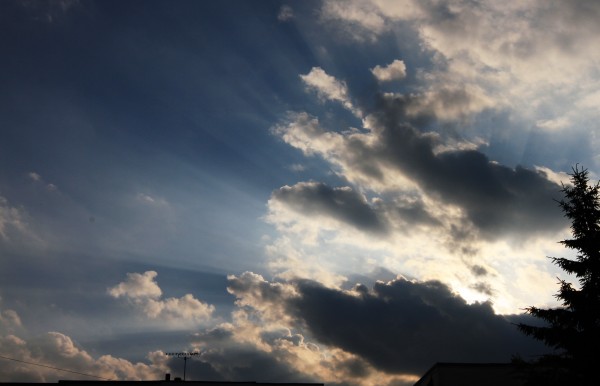
Hottest day since our records began — 33.2°C — and the heat seemed to cause a snowstorm of some kind of floaty seeds. The day ended with a fine display of crepuscular rays.
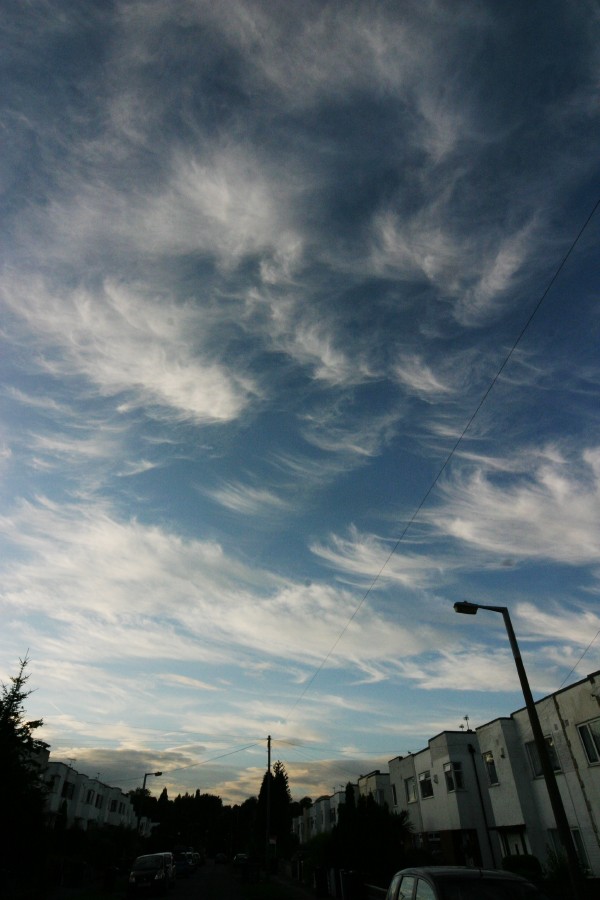
Weather fairly dull today, stratus and rain. So here’s a cloudscape from 5 September 2008.
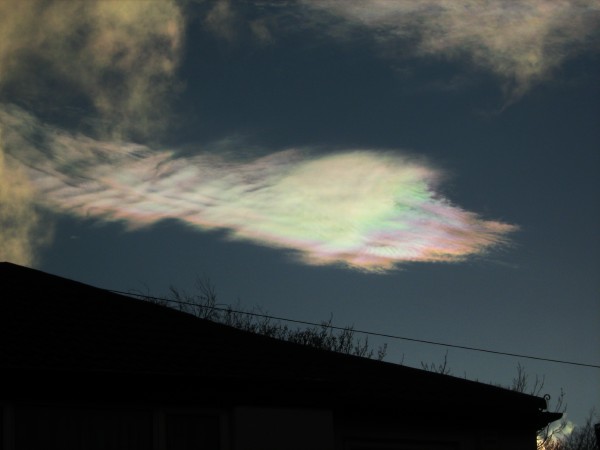
Clouds today are boring — low stratus and rain — so here’s a nice iridescent cloud from last month (22 April 2013).
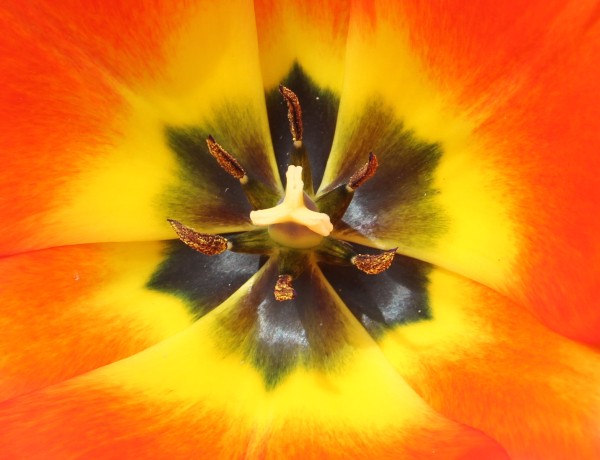
A couple of days of mild weather and they’re all coming out…

Tulip blooming at last.
Admin1 is reading Nightwatch by Terry Pratchett. Admin2 is reading Blind Fury by Lynda La Plante
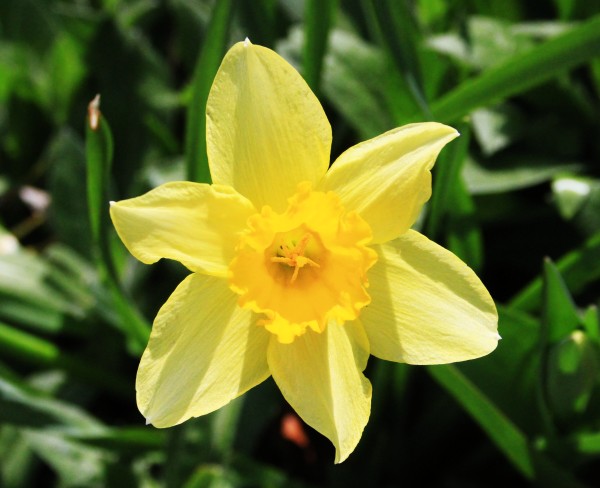
Spring arrives at last.

A spring-like day brought three squirrels out, chasing each other in the trees.
There have been occasional reports of a lone icy cable incomprehensibly oscillating on a snowy day. Admin1 observed one such from the roof at his work, and yesterday we saw the same thing outside our house. Despite all the strobing on the video, only one cable is wobbling: the second one from the top. It trembled for at least twelve hours and only stopped when the snow melted. It is anchored to the same building as the static one above, about 30cm lower down, and does not pass over any heat sources. There was no wind, and the birds singing in the background were not sitting on it.
The videos offered at the end share the honour of being derived from a file called MVI5177…
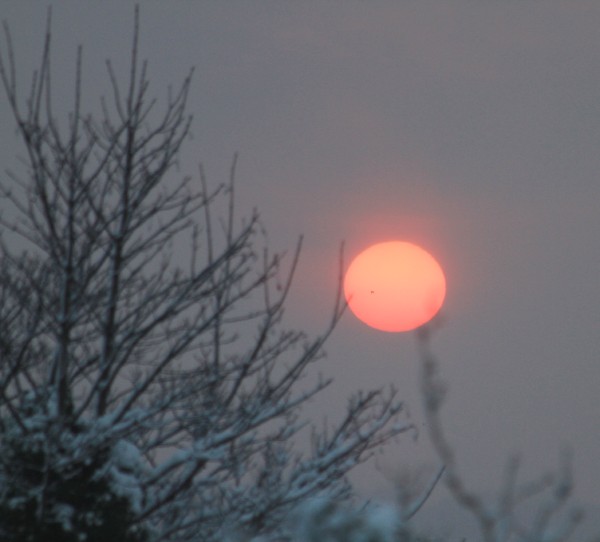
Sunrise on a misty, snowy morning. The small dot is a bird, not a sunspot.
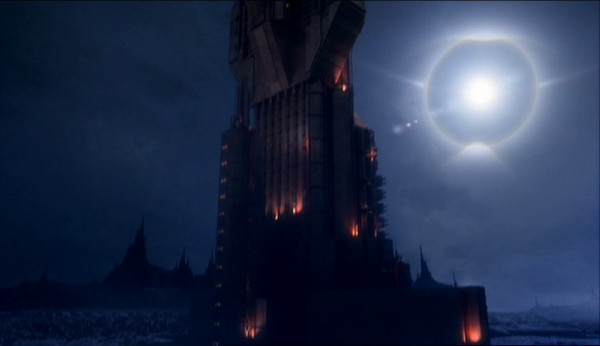
Seems like someone in the Doctor Who special effects department knows a bit about halos. This surprisingly accurate rendition is from Series 4, Episode 6: The Doctor’s Daughter, about 30 minutes in.
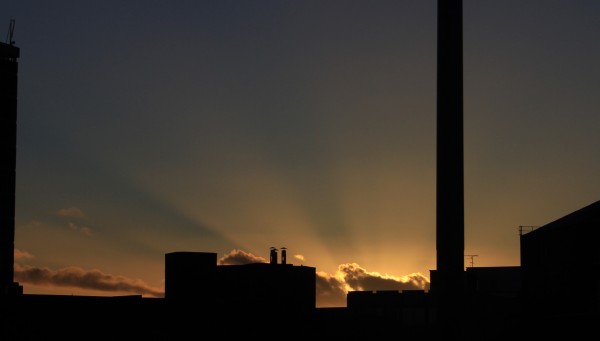
From the Nuffield Hospital in Leeds.

Distinctly three-dimensional cirrus.

Oregano

Montbretia

Electric blue noctilucent clouds to the north, at about 12:30am. First sighting this year.

Read all about it!
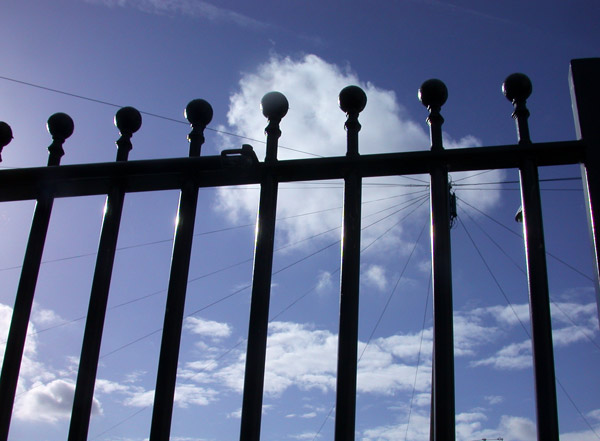
Trying to link the stuff in the sky to the wave-like output of the solar panels. This batch of fluffy summery clouds sprang up between two massive banks of nimbostratus so the day was duller than it looks.